Top Data Breaches of 2023: Numbers Hit an All-Time High

The battle against cyber threats is an ongoing challenge. Unfortunately, 2023 has proven to be a watershed year for data breaches. Data compromises have surged to an all-time high in the U.S. This is based on data from the first 9 months of the year. Meaning that numbers will only end up higher for the year.

The last data breach record was set in 2021. That year, 1,862 organizations reported data compromises. Through September of 2023, that number was already over 2,100.

In Q3 of 2023, the top data compromises were:

  • HCA Healthcare
  • Maximus
  • The Freecycle Network
  • IBM Consulting
  • CareSource
  • Duolingo
  • Tampa General Hospital
  • PH Tech

This data underscores the relentless efforts of cybercriminals to exploit vulnerabilities. As well as access sensitive information. Let’s take a look at the main drivers of this increase. And the urgent need for enhanced cybersecurity measures.

1. The Size of the Surge

The numbers are staggering. Data breaches in 2023 have reached unprecedented levels. They’ve increased significantly compared to previous years. The scale and frequency of these incidents is concerning. They emphasize the evolving sophistication of cyber threats. As well as the challenges organizations face in safeguarding their digital assets.

2. Healthcare Sector Under Siege

One of the most disturbing trends is the escalating number of breaches in healthcare. Healthcare organizations are the custodians of highly sensitive patient information. As a result, they’ve become prime targets for cybercriminals. The breaches jeopardize patient privacy. They also pose serious risks to the integrity of medical records. This creates a ripple effect that can have long-lasting consequences.

3. Ransomware Reigns Supreme

Ransomware attacks continue to dominate the cybersecurity landscape. Cybercriminals are not merely after data. They are wielding the threat of encrypting valuable information. Then demanding ransom payments for its release. The sophistication of ransomware attacks has increased. Threat actors are employing advanced tactics to infiltrate networks and encrypt data. They are also using many different methods to extort organizations for financial gain.

4. Supply Chain Vulnerabilities Exposed

Modern business ecosystems have an interconnected nature. This has made supply chains a focal point for cyberattacks. The compromise of a single entity within the supply chain can have cascading effects. It can impact several organizations downstream. Cybercriminals are exploiting these interdependencies. They use vulnerabilities to gain unauthorized access to a network of interconnected businesses.

5. Emergence of Insider Threats

External threats remain a significant concern. But the rise of insider threats is adding a layer of complexity. It’s added to the already complex cybersecurity landscape. Insiders inadvertently contribute to data breaches. Whether through malicious intent or unwitting negligence. Organizations are now grappling with a challenge. They need to distinguish between legitimate user activities and potential insider threats.

6. IoT Devices as Entry Points

The proliferation of Internet of Things (IoT) devices has expanded the attack surface. There’s been an uptick in data breaches originating from compromised IoT devices. These connected endpoints range from smart home devices to industrial sensors. They are often inadequately secured. This provides cyber criminals with entry points to exploit vulnerabilities within networks.

7. Critical Infrastructure in the Crosshairs

Critical infrastructure has become a target of choice for cyber attackers. This includes energy grids, water supplies, and transportation systems. The potential consequences of a successful breach in these sectors are often financial. But that’s not all. They can also extend to public safety and national security. As cyber threats evolve, safeguarding critical infrastructure has become an urgent imperative.

8. The Role of Nation-State Actors

Geopolitical tensions have spilled into the digital realm. Nation-state actors are increasingly playing a role in sophisticated cyber campaigns. These actors are often driven by political motives. They use advanced techniques to compromise sensitive data and disrupt operations. This is to advance their strategic interests in the global cyber landscape.

9. The Need for a Paradigm Shift in Cybersecurity

The surge in data breaches underscores the need to rethink cybersecurity strategies. It’s no longer a question of if an organization will be targeted but when. Proactive measures include:

  • Robust cybersecurity frameworks
  • Continuous monitoring
  • A culture of cyber awareness

These are essential for mitigating the risks posed by evolving cyber threats.

10. Collaboration and Information Sharing

Collaboration among organizations and information sharing within the cybersecurity community are critical. Especially as cyber threats become more sophisticated. Threat intelligence sharing enables a collective defense against common adversaries. This allows organizations to proactively fortify their defenses. They do this based on insights gained from the broader cybersecurity landscape.

Protect Your Business from Devastating Data Breaches

The surge in data breaches in 2023 serves as a stark reminder. It reminds us of the evolving and pervasive nature of cyber threats. There is an urgent need for heightened cybersecurity awareness and robust defensive measures. As well as a commitment to adapt to the ever-changing tactics of cybercriminals.

Need help protecting your business? Give us a call today to schedule a chat.


Featured Image Credit

This Article has been Republished with Permission from The Technology Press.

How Could Your Business Be Impacted by the New SEC Cybersecurity Requirements?

Cybersecurity has become paramount for businesses across the globe. As technology advances, so do the threats. Recognizing this, the U.S. Securities and Exchange Commission (SEC) has introduced new rules. They revolve around cybersecurity. These new requirements are set to significantly impact businesses.

These rules are a response to the growing sophistication of cyber threats. As well as the need for companies to safeguard their sensitive information.

Let’s delve into the key aspects of these new SEC regulations. We’ll review what they are and discuss how they may affect your business.

Understanding the New SEC Cybersecurity Requirements

The SEC’s new cybersecurity rules emphasize the importance of proactive cybersecurity measures. These are for businesses operating in the digital landscape. One of the central requirements is the timely reporting of cybersecurity incidents. The other is the disclosure of comprehensive cybersecurity programs.

The rules impact U.S. registered companies. As well as foreign private issuers registered with the SEC.

Reporting of Cybersecurity Incidents

The first rule is the disclosure of cybersecurity incidents deemed to be “material.” Companies disclose these on a new item 1.05 of Form 8-K.

Companies have a time limit for disclosure. This is within four days of the determination that an incident is material. The company should disclose the nature, scope, and timing of the impact. It also must include the material impact of the breach. One exception to the rule is where disclosure poses a national safety or security risk.

Disclosure of Cybersecurity Protocols

This rule requires extra information that companies must report. They report this on their annual Form 10-K filing.

The extra information companies must disclose includes:

  • Their processes for assessing, identifying, and managing material risks from cybersecurity threats.
  • Risks from cyber threats that have or are likely to materially affect the company
  • The board of directors’ oversight of cybersecurity risks
  • Management’s role and expertise in assessing and managing cybersecurity threats.

Potential Impact on Your Business

Is your business subject to these new SEC cybersecurity requirements? If it is, then it may be time for another cybersecurity assessment. Penetration tests and cybersecurity assessments identify gaps in your protocols. They help companies reduce the risk of cyber incidents and compliance failures.

Here are some of the potential areas of impact on businesses from these new SEC rules.

  1. Increased Compliance Burden

Businesses will now face an increased compliance burden. This is as they work to align their cybersecurity policies with the new SEC requirements. This might cause a significant overhaul of existing practices, policies, and technologies. Ensuring compliance will likely mean a large amount of time and resources. This impacts both large corporations and smaller businesses

  1. Focus on Incident Response

The new regulations underscore the importance of incident response plans. Businesses will need to invest in robust protocols. These are protocols to detect, respond to, and recover from cybersecurity incidents promptly. This includes having clear procedures for notifying regulatory authorities, customers, and stakeholders. This would be a notification in the event of a data breach.

  1. Heightened Emphasis on Vendor Management

Companies often rely on third-party vendors for various services. The SEC’s new rules emphasize the need for businesses to assess vendor practices. Meaning, how vendors handle cybersecurity. This shift in focus necessitates a comprehensive review. That review should be of existing vendor relationships. It may mean finding more secure alternatives.

  1. Impact on Investor Confidence

Cybersecurity breaches can erode investor confidence and damage a company’s reputation. With the SEC’s spotlight on cybersecurity, investors are likely to take note. This includes scrutinizing businesses’ security measures more closely. Companies with robust cybersecurity programs may instill greater confidence among investors. This can potentially lead to increased investments and shareholder trust.

  1. Innovation in Cybersecurity Technologies

As businesses strive to meet the new SEC requirements, they will seek innovation. There is bound to be a surge in the demand for advanced cybersecurity solutions. This increased demand could foster a wave of innovation in the cybersecurity sector. This could lead to the development of more effective cyber protection solutions.

The SEC Rules Bring Challenges, but Also Possibilities

The new SEC cybersecurity requirements mark a significant milestone. This is a milestone in the ongoing battle against cyber threats. While these regulations pose challenges, they also present opportunities. The opportunities are for businesses to strengthen their cybersecurity posture. As well as enhancing customer trust, and fostering investor confidence.

By embracing these changes proactively, companies can meet regulatory expectations. They can also fortify their defenses against the ever-evolving landscape of cyber threats. Adapting to these regulations will be crucial in ensuring long-term success. As well as the resilience of your business.

Need Help with Data Security Compliance?

When it comes to ensuring compliance with cybersecurity rules, it’s best to have an IT pro by your side. We know the ins and outs of compliance and can help you meet requirements affordably.

Give us a call today to schedule a chat.


Featured Image Credit

This Article has been Republished with Permission from The Technology Press.

Beware of These 2024 Emerging Technology Threats

The global cost of a data breach last year was USD $4.45 million. This is an increase of 15% over three years. As we step into 2024, it’s crucial to be aware of emerging technology threats. Ones that could potentially disrupt and harm your business.

Technology is evolving at a rapid pace. It’s bringing new opportunities and challenges for businesses and individuals alike. Not all technology is benign. Some innovations can pose serious threats to our digital security, privacy, and safety.

In this article, we’ll highlight some emerging technology threats to be aware of in 2024 and beyond.

Data Poisoning Attacks

Data poisoning involves corrupting datasets used to train AI models. By injecting malicious data, attackers can skew algorithms’ outcomes. This could lead to incorrect decisions in critical sectors like healthcare or finance. Some actions are vital in countering this insidious threat. These include protecting training data integrity and implementing robust validation mechanisms.

Businesses should use AI-generated data cautiously. It should be heavily augmented by human intelligence and data from other sources.

5G Network Vulnerabilities

The widespread adoption of 5G technology introduces new attack surfaces. With an increased number of connected devices, the attack vector broadens. IoT devices, reliant on 5G networks, might become targets for cyberattacks. Securing these devices and implementing strong network protocols is imperative. Especially to prevent large-scale attacks.

Ensure your business has a robust mobile device management strategy. Mobile is taking over much of the workload Organizations should properly track and manage how these devices access business data.

Quantum Computing Vulnerabilities

Quantum computing, the herald of unprecedented computational power, also poses a threat. Its immense processing capabilities could crack currently secure encryption methods. Hackers might exploit this power to access sensitive data. This emphasizes the need for quantum-resistant encryption techniques to safeguard digital information.

Artificial Intelligence (AI) Manipulation

AI, while transformative, can be manipulated. Cybercriminals might exploit AI algorithms to spread misinformation. They are already creating convincing deepfakes and automating phishing attacks. Vigilance is essential as AI-driven threats become more sophisticated. It demands robust detection mechanisms to discern genuine from malicious AI-generated content.

Augmented Reality (AR) and Virtual Reality (VR) Exploits

AR and VR technologies offer immersive experiences. But they also present new vulnerabilities. Cybercriminals might exploit these platforms to deceive users, leading to real-world consequences.

Ensuring the security of AR and VR applications is crucial. Especially to prevent user manipulation and privacy breaches. This is very true in sectors like gaming, education, and healthcare.

Ransomware Evolves

Ransomware attacks have evolved beyond simple data encryption. Threat actors now use double extortion tactics. They steal sensitive data before encrypting files. If victims refuse to pay, hackers leak or sell this data, causing reputational damage.

Some defenses against this evolved ransomware threat include:

  • Robust backup solutions
  • Regular cybersecurity training
  • Proactive threat hunting

Supply Chain Attacks Persist

Supply chain attacks remain a persistent threat. Cybercriminals infiltrate third-party vendors or software providers to compromise larger targets. Strengthening supply chain cybersecurity is critical in preventing cascading cyber incidents. Businesses can do this through rigorous vendor assessments, multi-factor authentication, and continuous monitoring.

Biometric Data Vulnerability

Biometric authentication methods, such as fingerprints or facial recognition, are becoming commonplace. But users can’t change biometric data once compromised, like they can passwords. Protect biometric data through secure encryption. Ensure that service providers follow strict privacy regulations. These are paramount to preventing identity theft and fraud.

Advanced Phishing Attacks

Phishing attacks are one of the oldest and most common forms of cyberattacks. These attacks are becoming more sophisticated and targeted thanks to AI. For example, hackers customize spear phishing attacks to a specific individual or organization. They do this based on online personal or professional information.

Another example is vishing attacks. These use voice calls or voice assistants to impersonate legitimate entities. They convincingly persuade victims to take certain actions.

Ongoing employee phishing training is vital. As well as automated solutions to detect and defend against phishing threats.

Tips for Defending Against These Threats

As technology evolves, so do the threats that we face. Thus, it’s important to be vigilant and proactive. Here are some tips that can help:

  • Educate yourself and others about the latest technology threats.
  • Use strong passwords and multi-factor authentication for all online accounts.
  • Update your software and devices regularly to fix any security vulnerabilities.
  • Avoid clicking on suspicious links or attachments in emails or messages.
  • Verify the identity and legitimacy of any callers or senders. Do this before providing any information or taking any actions.
  • Back up your data regularly to prevent data loss in case of a cyberattack.
  • Invest in a reliable cyber insurance policy. One that covers your specific needs and risks.
  • Report any suspicious or malicious activity to the relevant authorities.

Need Help Ensuring Your Cybersecurity is Ready for 2024?

Last year’s solutions might not be enough to protect against this year’s threats. Don’t leave your security at risk. We can help you with a thorough cybersecurity assessment, so you know where you stand.

Contact us today to schedule a chat.


Featured Image Credit

This Article has been Republished with Permission from The Technology Press.

What Is the Most Secure Way to Share Passwords with Employees?

Breached or stolen passwords are the bane of any organization’s cybersecurity. Passwords cause over 80% of data breaches. Hackers get in using stolen, weak, or reused (and easily breached) passwords.

But passwords are a part of life. Technologies like biometrics or passkeys haven’t yet replaced them. We use them for websites, apps, and more. So, companies need a secure way to share passwords with employees. As well as help them manage those passwords more effectively.

Cybersecurity threats are rampant and safeguarding sensitive information has never been more critical. Properly managing passwords securely is a top priority. At the same time, employees deal with more passwords than ever. LastPass estimates that people have an average of 191 work passwords.

Since you can’t get around passwords, how do you share them with employees safely? One solution that has gained popularity in recent years is using password managers.

Let’s explore the benefits of password managers next. We’ll also delve into why it’s one of the most secure ways to share passwords with employees.

Why Use a Business Password Management App?

Password managers give you a secure digital vault for safeguarding passwords. The business versions have setups for separating work and personal passwords. They also have special administrative functions so companies never lose a critical password.

Here are some of the reasons to consider getting a password manager for better data security.

Centralized Password Management

A primary advantage of password managers is their ability to centralize password management. They keep employees from using weak, repetitive passwords. And from storing them in vulnerable places. Instead, a password manager stores all passwords in an encrypted vault. This centralized enhances security. It also streamlines the process of sharing passwords securely within a team.

End-to-End Encryption

Leading password managers use robust encryption techniques to protect sensitive data. End-to-end encryption scrambles passwords. It turns them into unreadable text when stored and transmitted. This makes it nearly impossible for unauthorized users to access the information

When sharing passwords with employees, encryption provides an extra layer of security. It helps ensure that the data remains confidential even during transmission.

Secure Password Sharing Features

Password managers often come with secure password-sharing features. They allow administrators to share passwords with team members. And to do this without revealing the actual password.

Instead, employees can access the required credentials without seeing the characters. This ensures that employees do not have direct access to sensitive information. This feature is particularly useful when onboarding new team members. As well as when collaborating on projects that require access to specific accounts.

Multi-Factor Authentication (MFA)

Many password managers support multi-factor authentication. This adds an extra and important layer of security. MFA requires two or more forms of verification before accessing an account.

MFA significantly reduces the risk of unauthorized access. According to Microsoft, it lowers the risk by 99.9%. This makes it an essential feature for businesses looking to enhance password security. Especially when sharing sensitive information with employees.

Password Generation and Complexity

Password managers often come with built-in password generators. They create strong, complex passwords that are difficult to crack. When sharing passwords with employees, employers can use these generated passwords. They ensure that employees are using strong, unique passwords for each account.

This eliminates the common practice of using weak passwords. As well as reusing passwords across many accounts. This feature mitigates the risk of security breaches.

Audit Trails and Activity Monitoring

Monitoring is a valuable feature offered by many password managers. It provides the ability to track user activity and access history. Admins can track who accessed which passwords and when. This provides transparency and accountability within the organization.

This audit trail helps in identifying any suspicious activities. It also allows companies to take prompt action. This ensures the security of the shared passwords.

Secure Sharing with Third Parties

Password managers offer secure methods for sharing credentials with third-party collaborators or contractors. Companies can grant these external parties limited access to specific passwords. They can do this without compromising security.

This functionality is particularly useful for businesses. Especially those working with external agencies or freelancers on various projects. It keeps control of the passwords within the organization.

You also never have to worry about losing a password when the only employee who knows it leaves.

Ready to Try a Password Manager at Your Office?

Password managers offer a secure and convenient way to share passwords with employees. They’re an indispensable tool for businesses aiming to enhance their cybersecurity posture.

By adopting password managers, businesses can protect their sensitive information. They also promote a culture of security awareness among employees. Investing in password management solutions is a proactive step toward safeguarding valuable data.

Need help securing a password manager? Give us a call today to schedule a chat.


Featured Image Credit

This Article has been Republished with Permission from The Technology Press.

How to Organize Your Cybersecurity Strategy into Left and Right of Boom

In the pulsating digital landscape, every click and keystroke echoes through cyberspace. The battle for data security rages on. Businesses stand as both guardians and targets. Unseen adversaries covet their digital assets.

To navigate this treacherous terrain takes a two-pronged approach. Businesses must arm themselves with a sophisticated arsenal of cybersecurity strategies. On one side, the vigilant guards of prevention (Left of Boom). On the other, the resilient bulwarks of recovery (Right of Boom).

Together, these strategies form the linchpin of a comprehensive defense. They help ensure that businesses can repel attacks. And also rise stronger from the ashes if breached.

In this blog post, we’ll explain how to organize your cybersecurity approach into Left and Right of Boom.

What Do “Left of Boom” and “Right of Boom” Mean?

In the realm of cybersecurity, “Left of Boom” and “Right of Boom” are strategic terms. They delineate the proactive and reactive approaches to dealing with cyber threats

The Boom

“Left of Boom” refers to preemptive measures and preventative strategies. These are things implemented to safeguard against potential security breaches. It encompasses actions aimed at preventing cyber incidents before they occur.

“Right of Boom” pertains to the post-breach recovery strategies. Companies use these after a security incident has taken place. This phase involves activities like incident response planning and data backup.

Together, these terms form a comprehensive cybersecurity strategy. They cover both prevention and recovery aspects. The goal is to enhance an organization’s resilience against cyber threats.

Left of Boom: Prevention Strategies

User Education and Awareness

One of the foundational elements of Left of Boom is employee cybersecurity education. Regular training sessions can empower staff. They help them identify phishing emails. As well as recognize social engineering attempts and adopt secure online behaviors. An informed workforce becomes a strong line of defense against potential threats.

Employee training reduces the risk of falling for a phishing attack by 75%.

Robust Access Control and Authentication

Implementing strict access control measures reduces the risk of a breach. It helps ensure employees only have access to the tools necessary for their roles.

Access control tactics include:

  • Least privilege access
  • Multifactor authentication (MFA)
  • Contextual access
  • Single Sign-on (SSO) solutions

Regular Software Updates and Patch Management

Outdated software is a common vulnerability exploited by cybercriminals. Left of Boom strategies include ensuring all software is regularly updated. They should have the latest security patches. Automated patch management tools can streamline this process. They reduce the window of vulnerability.

Network Security and Firewalls

Firewalls act as the first line of defense against external threats. Install robust firewalls and intrusion detection/prevention systems. They can help track network traffic and identify suspicious activities. Additionally, they help block unauthorized access attempts. Secure network configurations are essential to prevent unauthorized access to sensitive data.

Regular Security Audits and Vulnerability Assessments

Conduct regular security audits and vulnerability assessments. This helps to identify potential weaknesses in your systems. By proactively addressing these vulnerabilities, organizations can reduce risk. They can reduce the chance of exploitation by cybercriminals.

Penetration testing can also simulate real-world cyber-attacks. This allows businesses to evaluate their security posture effectively.

Right of Boom: Recovery Strategies

Incident Response Plan

Having a well-defined incident response plan in place is crucial. This plan should outline the steps to take in the event of a security breach.

It should include things like:

  • Communication protocols
  • Containment procedures
  • Steps for recovery
  • IT contact numbers

Regularly test and update your incident response plan. This ensures it remains effective and relevant.

Data Backup and Disaster Recovery

Regularly backing up data is a vital component of Right of Boom. Another critical component is having a robust disaster recovery plan.

Automated backup systems can ensure that critical data is regularly backed up. As well as making sure it can be quickly restored in the event of a breach. A disaster recovery plan allows businesses to resume operations swiftly after an incident.

Forensic Analysis and Learning

After a security breach, conduct a thorough forensic analysis. It’s essential to understand the nature of the attack. As well as the extent of the damage, and the vulnerabilities exploited.

Learning from these incidents enables organizations to strengthen their security posture further. This makes it harder for similar attacks to succeed in the future.

Legal and Regulatory Compliance

Navigating the legal and regulatory landscape after a security breach is important. Organizations must follow data breach notification laws and regulations. Timely and transparent communication with affected parties is essential. It’s vital to maintaining trust and credibility.

Get Help with a Strong 2-pronged Cybersecurity Strategy

Using Left and Right of Boom strategies can improve your security stance. These terms help you consider both important aspects of a strong defense.

If you’d like some help getting started, give us a call today to schedule a chat.


Featured Image Credit

This Article has been Republished with Permission from The Technology Press.

Choose Wisely: What Smart Home Tech Should You Adopt and Avoid?

In the age of smart living, our homes are becoming increasingly intelligent. They’re designed to cater to our every need. Smart gadgets are transforming how we turn on the lights, home security, and more. They even help us feed our pets from afar.

But with the rapid evolution of this technology, it’s crucial to make informed choices. To know what to adopt and what to avoid. Every smart technology isn’t as helpful as another.

You also must be careful of things like security and oversharing. Some devices will spread your data far and wide without your realization.

Here are some tips on what smart home tech to adopt and to avoid.

Tips to Make Better Smart Home Device Choices

Adopt: Smart Lighting Systems

Smart lighting systems have proven to be both energy-efficient and convenient. They allow you to control the ambiance of your home. As well as schedule lights to go on and off. You can even change colors to match your mood.

These systems offer seamless integration with voice assistants. There are also many brands to choose from. Smart lights can enhance your home’s aesthetic and energy efficiency.

Avoid: Cheap, Unbranded Smart Devices

There is a definite allure to low-cost smart devices. Yet these unbranded alternatives often compromise on security and functionality. You have to ask yourself, “Why are they so cheap?”

They may also be selling your data. And who reads those long user acceptance policies? You risk a lot by choosing a cheaper, unbranded device.

Investing in reputable brands ensures several benefits. Including:

  • Regular updates
  • Security patches
  • Compatibility with other smart home devices
  • Long-term support

Cutting corners on unknown brands may end up being costly. This is true for both security and performance.

Adopt: Smart Thermostats

Smart thermostats, like Nest and ecobee, learn your habits. They adjust your home’s temperature accordingly. They contribute significantly to energy savings. They do this by optimizing heating and cooling based on occupancy patterns.

There is also the convenience of using smartphone apps and voice control. These devices offer convenient climate management while reducing utility bills.

Avoid: Overcomplicating Security Systems

Robust security systems are essential. But overcomplicating them with unnecessary gadgets may lead to confusion and inefficiency. The more devices you add to a security system, the more exposure for your network.

Focus on key elements like smart locks, security cameras, and motion sensors. Opt for systems that offer user-friendly interfaces. Look for straightforward operation. You want to ensure effective home security without unnecessary complexities.

Adopt: Smart Home Hubs

Smart home hubs are popular. Brands such as Amazon Echo and Google Nest Hub serve as the central smart command centers. They give you one place to manage all your smart devices.

These hubs enable seamless communication between various devices. As well as simplify control through voice commands or smartphone apps. Investing in a compatible hub ensures a harmonious smart home experience.

Avoid: Ignoring Privacy Concerns

The convenience of smart home tech should not come at the expense of your privacy. Be cautious about devices that constantly record audio or video. Especially if done without clear user consent. Regularly review privacy settings. Limit data collection. Choose devices from reputable companies that focus on user privacy and data security.

Be sure to watch for announcements about changes. For example, Amazon recently opted users in automatically to Amazon Sidewalk. This is a shared neighborhood Wi-Fi. Unless you were aware, you may have known to opt out if you wanted.

Adopt: Smart Home Security Cameras

Smart security cameras provide real-time monitoring and remote access. They also enhance the safety of your home. Look for cameras with features like motion detection, two-way audio, and cloud storage.

Many brands offer reliable, user-friendly security camera systems. These help you keep an eye on your property and keep your family safe.

Avoid: Impulse Buying Without Research

The excitement of new gadgets can lead to impulse purchases. Before buying any smart home device, conduct thorough research. Read reviews and compare features. Also, assess compatibility with your existing devices.

Take the time to check out a device before buying. This helps ensure that you make informed decisions tailored to your smart home’s needs.

Keep Your Smart Home Efficient & Secure

Smart home technology is rapidly multiplying. Our homes now look like something from Back to the Future II or The Jetsons. A well-informed choice today can pave the way for a smarter and safer home tomorrow.

We’d love to help you keep your smart home efficient and secure. Give us a call today to schedule a chat.


Featured Image Credit

This Article has been Republished with Permission from The Technology Press.

Why You Need to Understand “Secure by Design” Cybersecurity Practices

Cybersecurity has become a critical foundation upon which many aspects of business rely. Whether you’re a large enterprise or small business, network security is a must. Cyberattacks can have long-term consequences.

The frequency and sophistication of cyberattacks continue to increase. In 2022, IoT malware attacks saw a sobering 87% increase. Attack volume is also ramping up due to the use of AI.

It’s essential to shift from a reactive to a proactive cybersecurity approach. One such approach that has gained prominence is “Secure by Design” practices.

International partners have taken steps to address commonly exploited vulnerabilities. A recent advisory highlights Secure by Design principles. This collaborative effort underscores the global nature of the cybersecurity threat landscape. As well as the need for coordinated action to protect critical infrastructure.

In this article, we’ll explore what it takes to put in place Secure by Design principles. And explain why they are paramount in today’s cybersecurity landscape.

Today’s Modern Cyberthreats

Cybersecurity threats have evolved significantly over the years. Gone are the days when just installing an antivirus could protect your computer. Today, cybercriminals use highly sophisticated tactics. The potential impact of an attack goes far beyond the inconvenience of a virus.

Modern cyber threats encompass a wide range of attacks, including:

  1. Ransomware: Malware that encrypts your data and demands a ransom for decryption. One of the costliest attacks for businesses.
  2. Phishing: Deceptive emails or messages that trick you into revealing sensitive information. Eighty-three percent of companies experience a phishing attack each year.
  3. Advanced Persistent Threats (APTs): Long-term cyberattacks aimed at stealing sensitive data.
  4. Zero-Day Exploits: Attacks that target vulnerabilities not yet known to software developers.
  5. IoT Vulnerabilities: Hackers exploit vulnerabilities in Internet of Things (IoT) devices to compromise networks.

These evolving threats underscore the need for a proactive approach to cybersecurity. Instead of reacting to attacks after they occur, you want to prevent them from happening.

What Is Secure by Design?

Secure by Design is a modern cybersecurity approach. It integrates security measures into the very foundation of a system, app, or device. It does this from the start.

It’s about considering security as a fundamental aspect of the development process. Rather than including it as a feature later.

How can businesses of all types translate this into their cybersecurity strategies? There are two key ways:

  1. When purchasing hardware or software, ask about Secure by Design. Does the supplier use these practices? If not, you may want to consider a different vendor.
  2. Incorporate Secure by Design principles into your own business. Such as when planning an infrastructure upgrade or customer service enhancement. Put cybersecurity at the center. Instead of adding it as an afterthought.

Key principles of Secure by Design include:

  1. Risk Assessment: Identifying potential security risks and vulnerabilities early in the design phase.
  2. Standard Framework: Maintain consistency when applying security standards by following a framework. Such as CIS Critical Security Controls, HIPAA, or GDPR.
  3. Least Privilege: Limiting access to resources to only those who need it for their roles.
  4. Defense in Depth: Implementing many layers of security to protect against various threats.
  5. Regular Updates: Ensuring that security measures are continuously updated to address new threats.
  6. User Education: Educating users about security best practices and potential risks.

Why Secure-by-Design Matters

Understanding and implementing Secure by Design practices is crucial for several reasons:

Proactive Security

Traditional cybersecurity approaches are often reactive. This means they address security issues after they’ve occurred. Secure by Design builds security measures into the very foundation of a system. This minimizes vulnerabilities from the start.

Cost Savings

Addressing security issues after a system is in production can be costly. The same is true for trying to address them near the end of a project. By integrating security from the beginning, you can avoid these extra expenses.

Regulatory Compliance

Many industries are subject to strict regulatory requirements for data protection and cybersecurity. Secure by Design practices can help you meet these compliance standards more effectively. It reduces the risk of unknowns that end up costing you in fines and penalties.

Reputation Management

A security breach can severely damage your organization’s reputation. Implementing Secure by Design practices demonstrates your commitment to protecting user data. It can also enhance trust among customers and stakeholders.

Future-Proofing

Cyber threats continue to evolve. Secure by Design practices help ensure that your systems and applications remain resilient. Especially against emerging threats.

Minimizing Attack Surfaces

Secure by Design focuses on reducing the attack surface of your systems. Using it helps in identifying and mitigating potential vulnerabilities. You mitigate threats before a hacker exploits them.

Need to Modernize Your Cybersecurity Strategy?

A cybersecurity strategy put in place five years ago can easily be outdated today. Need some help modernizing your company’s cybersecurity?

Give us a call today to schedule a chat.


Featured Image Credit

This Article has been Republished with Permission from The Technology Press.

Passwords They seem to have been with us forever

Passwords: They seem to have been with us forever.

As we continue to suggest things you can do to protect the integrity of your company and customer data, here is a blog that covers an old level of security that we still rely on everyday. That protection is the password, so let’s talk about bedding up your employee’s handling of passwords.

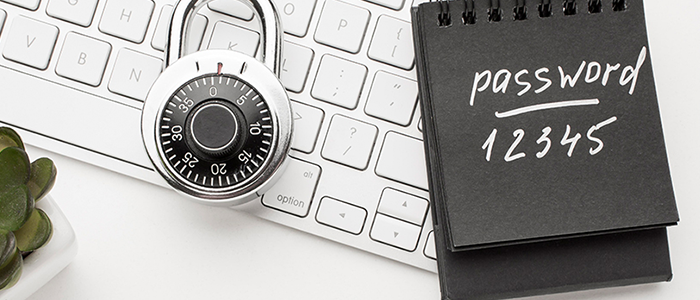
Password hygiene – Passwords remain the most common everyday tool to ensure only authorized personnel have access to secure material. The issue is that passwords need maintenance and attention to be effective. Here are some common problems to avoid. And again, this requires a routine employee training program.

  1. Passwords that are too simple
    Simple passwords are easy to remember but easy to crack. Words, in any language, are not ideal either. That is why many sites require a mix of letters, characters, and numbers. And yes, some people are still using Myname123.
  2. One universal password
    Sometimes people find it difficult to remember multiple passwords for various files and applications, so they use a single good, strong password everywhere. This renders the good password virtually pointless and also increases the amount of damage that can be inflicted in the event that one ‘good’ password is compromised.
  3. Unauthorized password sharing
    Generally done with benign intentions, employees often share passwords for convenience or to expedite handling the sharing of data. Not good.
  4. Writing down passwords
    Sometimes, people follow all password best practices but find it difficult to remember complicated passwords and then write them down on a piece of paper or worse still, make a file containing all the passwords and store it in their email or computer. This is almost like giving away the keys to your property to a burglar.
  5. Forgetting to change passwords to change passwords or revoke access.
    This is an issue where the staff is busy and turnover is high. Managers may fail to remember to change the passwords once a staff member quits, leaving company data vulnerable. This is especially likely in a small company where there may not be a centralized IT staff that oversees data security and access.

Remember, having a password is not sufficient. Having the right kind of password and following good password hygiene is.

Multi-factor Authentication (MFA) – When a password isn’t enough, the next step to improve security is MFA. MFA layers a second authenticator (e.g. another code, picture) etc.) on top of the password requirement. The idea is that if a password is being used by someone not authorized to do so, they won’t be able to provide the second piece of information. Consumers almost always encounter it when accessing financial services sites, but MFA is becoming more common across the board. If you use a credit card at a gas station, that request for your zip code after you insert your credit card is an example of MFA.

Watch Out for Ransomware Pretending to Be a Windows Update!

Imagine you’re working away on your PC and see a Windows update prompt. Instead of ignoring it, you take action. After all, you want to keep your device safe. But when you install what you think is a legitimate update, you’re infected with ransomware.

That’s the nightmare caused by an emerging cybersecurity threat.

Cybercriminals are constantly devising new ways to infiltrate systems. They encrypt valuable data, leaving victims with difficult choices. Once ransomware infects your system, your PC is pretty useless. You either have to pay a ransom or get someone to remove the malware. As well as install a backup (if you have one!).

One such variant that has emerged recently is the “Big Head” ransomware. It adds a new layer of deception by disguising itself as a Windows update. In this article, we’ll explore the ins and outs of Big Head ransomware. Including its deceptive tactics. We well as how you can protect yourself from falling victim to such attacks.

The Big Head Ransomware Deception

Ransomware attacks have long been infamous for their ability to encrypt files. This renders them inaccessible to the victim until a ransom is paid to the attacker. In the case of Big Head ransomware, the attackers have taken their tactics to the next level. The attack masquerades as a Windows update.

Big Head ransomware presents victims with a convincing and fake Windows update alert. Attackers design this fake alert to trick users. They think that their computer is undergoing a legitimate Windows update. The message may appear in a pop-up window or as a notification.

The deception goes even further. The ransomware uses a forged Microsoft digital signature. This makes the fake update appear more authentic. This adds an extra layer of credibility to the malicious message. And makes it even more challenging for users to discern its true nature.

The attack fools the victim into thinking it’s a legitimate Windows update. They then unknowingly download and execute the ransomware onto their system. From there, the ransomware proceeds to encrypt the victim’s files. Victims see a message demanding a ransom payment in exchange for the decryption key.

By 2031, it’s expected a ransomware attack will occur every 2 seconds.

Protect Yourself from Big Head Ransomware & Similar Threats

Cyber threats are becoming more sophisticated. It’s not just the good guys exploring the uses of ChatGPT. It’s crucial to take proactive steps to protect your data and systems. Here are some strategies to safeguard yourself from ransomware attacks like Big Head.

Keep Software and Systems Updated

This one is tricky. Because updating your computer is a best practice for security. Yet, Big Head ransomware leverages the appearance of Windows updates.

One way to be sure you’re installing a real update is to automate. Automate your Windows updates through your device or an IT provider (like us). This increases the chances of spotting a fake that pops up unexpectedly.

Verify the Authenticity of Update

Before installing any software update, verify its authenticity. Genuine Windows updates will come directly from Microsoft’s official website. Or through your IT service provider or Windows Update settings. Be cautious of unsolicited update notifications. Especially those received via email or from unfamiliar sources.

Backup Your Data

Regularly back up your important files. Use an external storage device or a secure cloud backup service. In the event of a ransomware attack, having backup copies is vital. Backups of your data can allow you to restore your files without paying a ransom.

Use Robust Security Software

Install reputable antivirus and anti-malware software on your computer. These programs can help detect and block ransomware threats. This helps prevent them from infiltrating your system.

Educate Yourself and Others

Stay informed about the latest ransomware threats and tactics. Educate yourself and your colleagues or family members. Discuss the dangers of clicking on suspicious links. As well as downloading attachments from unknown sources.

Use Email Security Measures

Ransomware often spreads through phishing emails. Put in place robust email security measures. Be cautious about opening email attachments or clicking on links. Watch out for emails from unknown senders.

Enable Firewall and Network Security

Activate your computer’s firewall. Use network security solutions to prevent unauthorized access to your network and devices.

Disable Auto-Run Features

Configure your computer to disable auto-run functionality for external drives. This can help prevent ransomware from spreading through infected USB drives.

Be Wary of Pop-Up Alerts

Exercise caution when encountering pop-up alerts. Especially those that ask you to download or install software. Verify the legitimacy of such alerts before taking any action.

Keep an Eye on Your System

Keep an eye on your computer’s performance and any unusual activity. If you notice anything suspicious, investigate immediately. Suspicious PC activity can be:

  • Unexpected system slowdowns
  • File changes
  • Missing files or folders
  • Your PC’s processor “whirring” when you’re not doing anything

Have a Response Plan

In the unfortunate event of a ransomware attack, have a response plan in place. Know how to disconnect from the network. Report the incident to your IT department or a cybersecurity professional. Avoid paying the ransom if possible.

Need a Cybersecurity Audit?

Don’t leave unknown threats lurking in your system. A cybersecurity audit can shed light on your system vulnerabilities. It’s an important proactive measure to ensure network security.

Give us a call today to schedule a chat.


Featured Image Credit

This Article has been Republished with Permission from The Technology Press.

Prying eyes: Keeping your data safe

Prying eyes: Keeping your data safe

Even the simplest business possesses data that is proprietary and confidential. Customer and prospects lists, sales data, and personal data about customers such as their credit cards, names, addresses, birth dates. Maybe even medical information or social security numbers. If any of this data is compromised, you could face legal and reputational consequences. It is important you stay vigilant in making sure this data is as safe as it can be from cybercriminals.

If you have extremely confidential data, it may be important to use methods to address physical access. Should your server rooms be key-coded or require biometric access? Access codes for physical entry to a room are relatively simple to install. However, passcodes are pretty easy to steal or they can be shared by employees. In addition to limiting access they can also identify when and who accessed a secure location. One step beyond passcode entry is biometric authentication. Examples of biometric tools are fingerprint, iris or facial recognition. The advantages to these are clear. They cannot be easily stolen and for the user, there is no passcode to remember or a keycard to lose. An MSP can provide guidance about how to go about installing a biometric authentication system to secure specific locations.

On the other end of the spectrum, there is one excellent tool out there that can protect against one of the most common tricks criminals use to get into your data banks. That tool is employee training about phishing emails and fake websites. Phishing emails, the emails that trick you into opening a link that has been corrupted, remain a tried and true method for cybercriminals. What is the best defense? Employee training on how to avoid falling into the trap. The simplest maxim to remember? If in ANY doubt, don’t open a link. If there is any reason for suspicion, delete the email and forget about it. Also, look at the email address of the sender. Is it legitimate or is it misspelled or have a few extra characters or numbers that aren’t familiar.

What about the usage of passwords? Passwords can be hacked and stolen. there is another tool available to make passwords safer. You can make passwords more secure using multi factor authentication(MFA). MFA is pretty simple. It requires a second level of verification to prove that the password is being used by the individual authorized to use it. Examples of MFA are ATM machines that require a card AND a password. MFA very commonly requires the user to submit a code that is sent to another platform. (You’ve probably encountered this one if you use online banking)
Also, update your software. Immediately. Whenever you get an alert to update anything. Do it then. Don’t put it off until tomorrow because this update may have been released to address a recently discovered threat. This is a very simple thing to do and will offer significant protection. Additionally, your Managed Service provider may offer clients a subscription to day zero alerts. These are texts or emails that are sent out whenever a new virus or vulnerability has been discovered.

Among those firms who take risk management seriously, there is a growing awareness of the need to consider some manner of insurance to protect against the costs of cybercrime. When all else fails, and your data has been breached, how can you protect your business financially? Standard commercial property insurance policies do not generally include provisions for the damages from cybercrime. In a growing number of commercial policies, they are specifically excluded. As a result, executives who recognize the catastrophic damage that a cyberattack can inflict on their business are looking at cyber insurance to transfer the financial losses to a third party. However, there are some pretty deep weeds to get into when looking for a cyber insurance policy. Just for one example, some policies may create requirements and security standards you must meet before an event will be considered a covered loss. A Managed Service Provider can offer guidance into whether this is an avenue to explore.

In conclusion, there are several tools that you can use to protect your data from cybercriminals. They range from the very simple to the highly sophisticated. Your MSP can be of help in adopting any or all of these tools. From providing employee training all the way to biometric solutions.